



Who It’s For
This guide is ideal for:
- Office workers or anyone who sits for long periods and struggles with posture or upper back tightness
- New gym-goers who want to build a strong foundation and avoid common injuries
- Lifters and athletes looking to improve shoulder stability and upper body performance
- People with neck or upper back pain who need corrective exercises and mobility work
- Anyone chasing strength, aesthetics, or better movement patterns in and out of the gym
Key Takeaways:
- Why it matters: Strengthening the upper back improves posture, prevents injuries, supports shoulder health, and reduces neck and back pain.
- What muscles are targeted: Key areas include the traps, rhomboids, rear delts, latissimus dorsi, and rotator cuff muscles.
- Top exercises include:
- Face pulls
- Seated cable rows
- Pull-ups
- Resistance band pull-aparts
- Bent-over dumbbell rows
- T-raises and incline shrugs
- Programming advice: Includes weekly workout splits and rep/set guidelines for strength, muscle building, and posture correction.
- Posture & pain relief tips: Emphasizes scapular control and rear shoulder development to reverse rounded shoulders and improve neck/spine alignment.
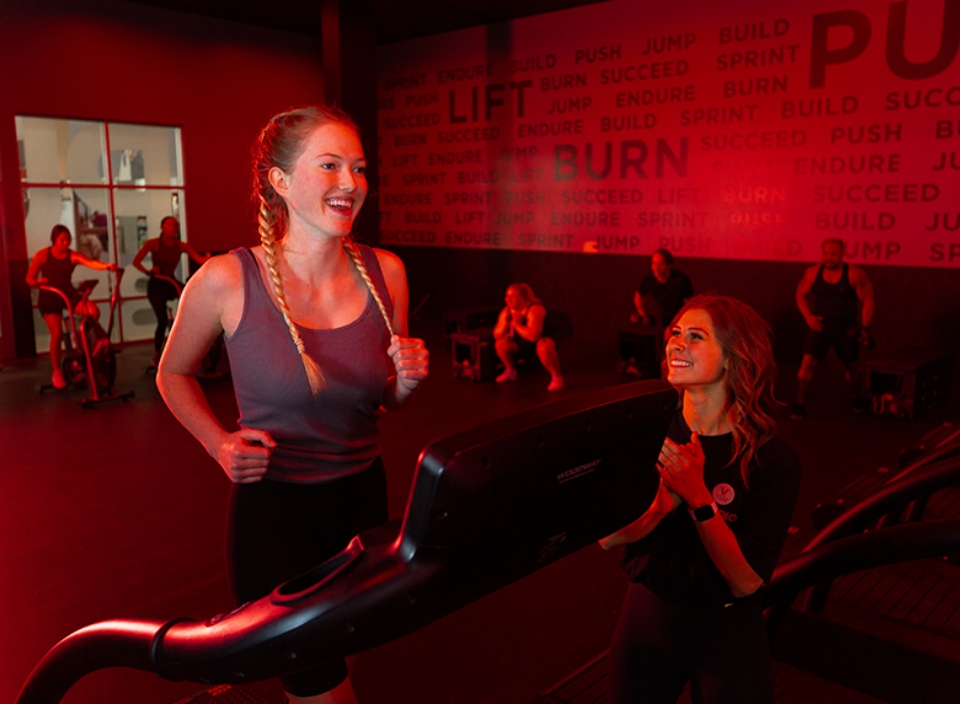
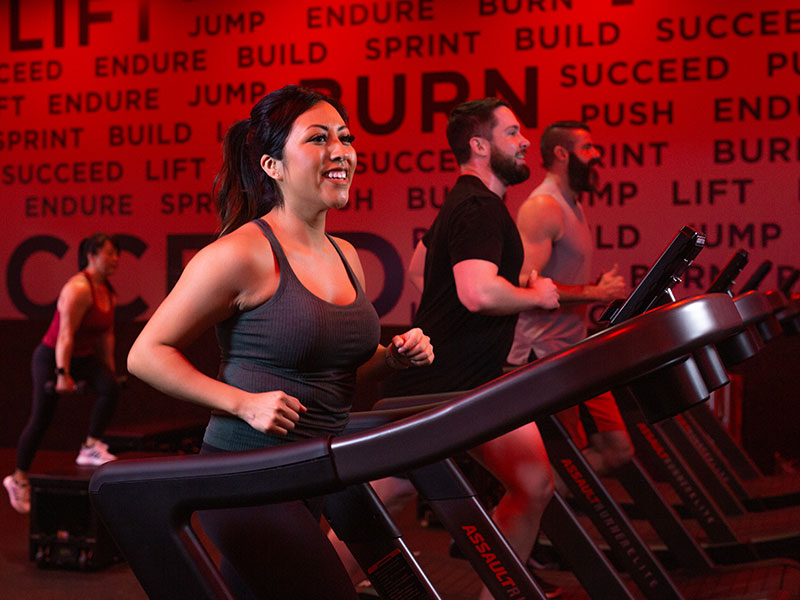
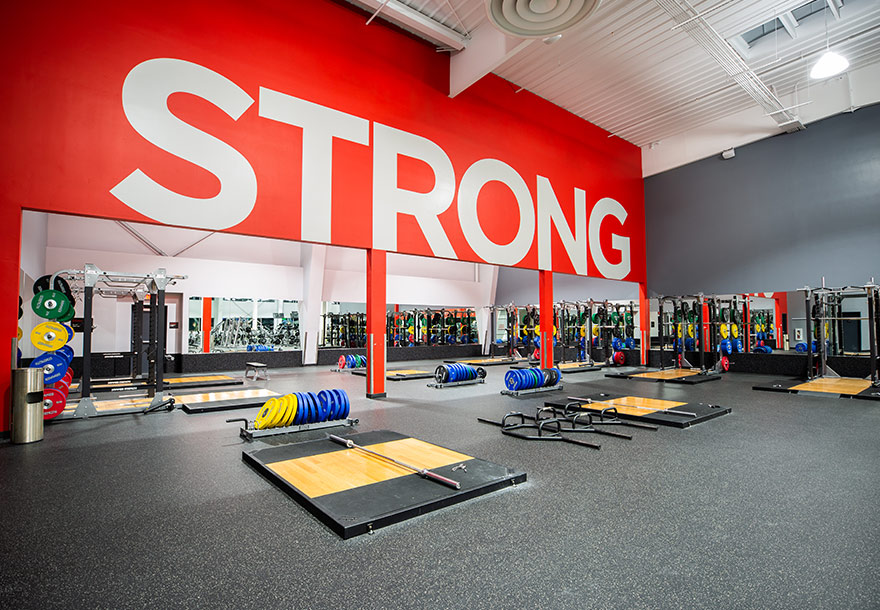
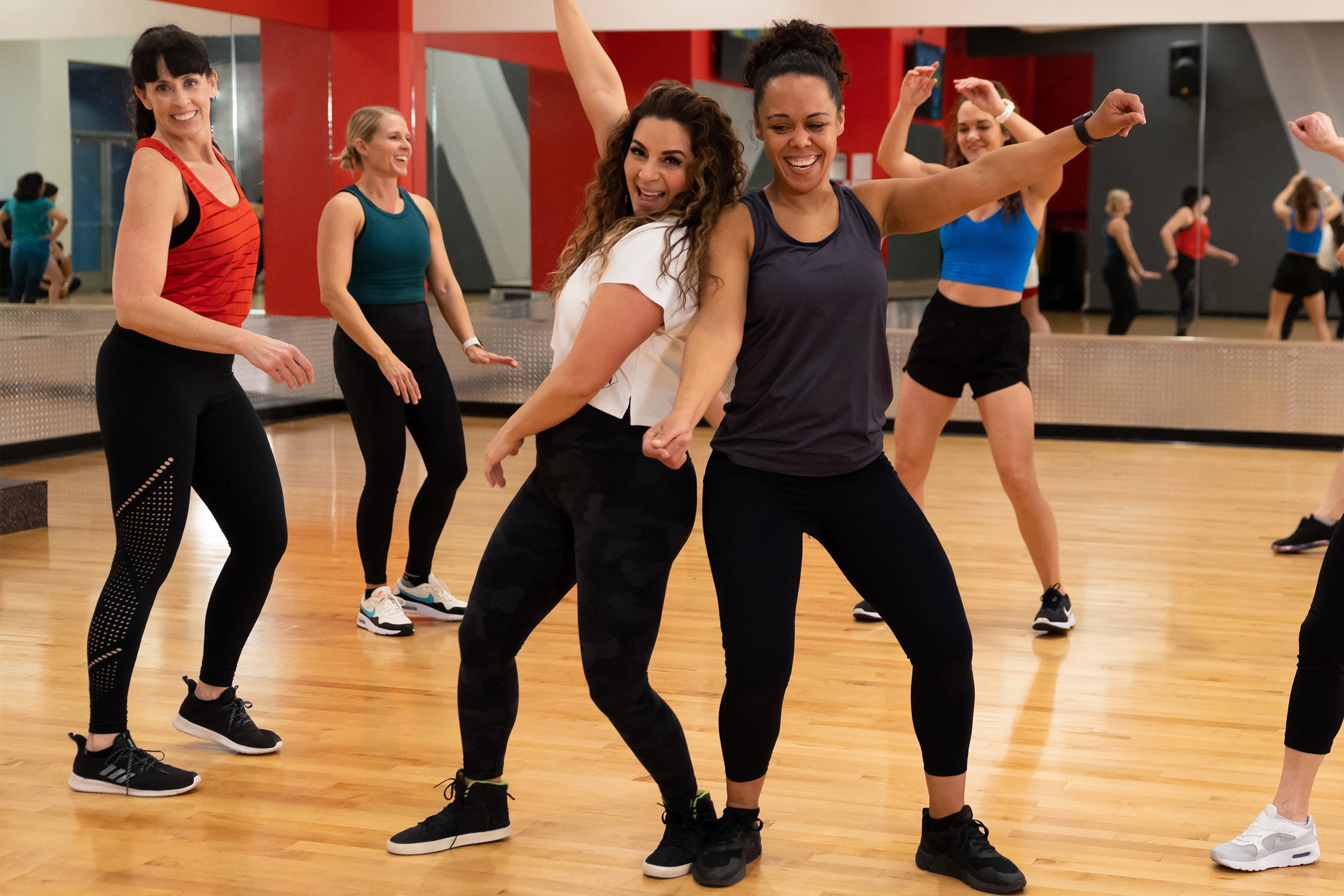
- Gym benefits at VASA: Access to equipment, personal trainers, recovery tools, and expert guidance, all designed to support smart, effective back training.
Bottom Line:
You don’t need to be an athlete to train your upper back, you just need a plan. These exercises promote better movement, less pain, and a stronger foundation for everything you do. Ready to feel the difference? Try VASA for free and start training smarter.
You don’t need to be an elite athlete to benefit from upper back exercises. In fact, if you sit at a desk or carry stress in your shoulders, these movements are a must.
Your upper back plays a central role in posture and overall health. Are you chasing aesthetics or strength? Then training your upper back muscles is a must. Stronger back muscles can help reduce tension and prevent injury. Perhaps most importantly, it can improve how you move, both in and out of the gym.
Let’s break down the best exercises for a strong upper back. We’ll also cover why they matter and how to add them to your workout routine at VASA.
Why Upper Back Exercises Matter
The upper back is made up of several key muscle groups, including the rhomboid major, trapezius muscles, rear deltoids, and latissimus dorsi. These muscles support your shoulder blades, helping maintain good posture and stabilizing your upper body during both daily movement and intense strength training.
Ignoring these muscles can lead to:
- Neck pain
- A rounded upper back
- Limited shoulder mobility
- Poor performance in lifts like presses and pulls
- Increased risk of muscle imbalances
Neck Pain and Posture: The Upper Back Connection
A rounded upper back or chronically hunched shoulders (hello, office workers) can strain your neck and spine. This leads to multiple issues, including upper back and neck pain and tight shoulder blades.
Targeted back exercises help:
- Strengthen the upper traps, lower traps, and surrounding muscles
- Improve scapular retraction (pulling your shoulder blades back and down)
- Reverse the effects of poor posture
- Alleviate pain caused by weak or underused back muscles
Many physical therapists and healthcare professionals recommend upper back training as part of a corrective strategy to reduce postural strain.
Back Exercises That Build a Strong Upper Back
Let’s get to work. These back exercises target all the major upper back muscles and are ideal for lifters of every level. Each movement improves posture and strengthens your shoulders and upper back.
1. Face Pull (Cable or Band)
Targets: Rear delts, traps, rhomboids
Equipment: Cable machine or resistance band
How to Do It:
- Use a rope attachment on the cable machine at shoulder height, or anchor a resistance band
- Grab the rope with an overhand grip, step back, and keep arms straight
- Pull toward your face while flaring out your elbows to create a 90° angle
- Focus on squeezing your shoulder blades together
- Slowly return to the starting position
Why It Works:
One of the best exercises for rear deltoids and shoulder blade control. It helps combat poor posture and improve shoulder stability.
2. Seated Cable Row
Targets: Rhomboids, traps, lats, biceps
Equipment: Cable machine
How to Do It:
- Sit upright with a neutral grip on a close-grip handle
- Set your feet on the platform, knees slightly bent
- Pull the handle toward your torso while keeping your torso upright
- Squeeze the shoulder blades together, then slowly return
Form Tips:
Keep your neck neutral, avoid shrugging your shoulders, and don’t lean too far back.
3. Resistance Band Pull-Aparts
Targets: Rear delts, rhomboids, traps
Equipment: Resistance band
How to Do It:
- Stand with arms straight out front, holding the band at shoulder width
- Pull the band apart until your arms are fully extended at your sides
- Focus on a slow circular motion to keep tension on the upper back
Why It Works:
Great for warm-ups, corrective exercises, and building posture awareness. It’s low-impact but effective at activating upper back muscles.
4. Pull-Ups
Targets: Lats, traps, rhomboids
Equipment: Pull-up bar
How to Do It:
- Grip the bar with an overhand grip, hands slightly wider than shoulder width.
- Engage your core muscles, pull your shoulders down and back
- Drive elbows toward your ribs and lift your upper body until your chin clears the bar
- Slowly lower back to the starting position
Modifications:
Use a resistance band for support or try bodyweight movements like inverted rows if you’re building up to a full pull-up.
5. Bent-Over Dumbbell Row
Targets: Lats, traps, rhomboids, rear delts
Equipment: Dumbbells
How to Do It:
- Stand with a slight bend in the knees, lean forward from the hips until your body is angled
- Hold dumbbells at arm’s length with a neutral grip
- Pull elbows back past your shoulder blades, then slowly return
Form Focus:
Keep neck neutral and avoid arching the mid back.
6. Resisted Row (Band or Cable)
Targets: Lats, mid traps, rhomboids
Equipment: Cable machine or resistance bands
How to Do It:
- Attach a handle at shoulder height
- With a neutral grip, step back and row the handle toward your torso
- Keep elbows close and shoulder blades engaged
- Return to the starting position with control
This compound movement is scalable and builds upper back strength without overloading the joints.
7. Incline Bench Dumbbell Shrugs
Targets: Upper traps, levator scapulae
Equipment: Dumbbells, incline bench
How to Do It:
- Lie chest-down on an incline bench
- Hold dumbbells at your sides
- Perform a shoulder roll by shrugging upward, then slowly lowering
Why It Works:
Targets the upper traps while protecting the neck. Excellent for fixing a rounded upper posture.
8. T-Raises (Bodyweight or Dumbbells)
Targets: Rear delts, mid traps, rhomboids
Equipment: Bodyweight or light dumbbells
How to Do It:
- Start in a prone position (face-down), arms extended sideways like a “T”
- Lift arms off the floor while squeezing the shoulder blades
- Hold for 2–3 seconds, then slowly return
Add It To:
Warm-ups, mobility work, or corrective exercises.
9. Face Pulls with External Rotation
Targets: Rear delts, rotator cuff, traps
Equipment: Cable machine
How to Do It:
- Same as standard face pull, but after pulling the rope to eye level, externally rotate your arms back further
- Pause and slowly return to the starting position
Why It Works:
Builds strength and stability in the shoulders and reduces injury risk in pressing movements.
Programming Tips: How to Add Upper Back Training
Whether you’re aiming for muscle definition, improved posture, or pain relief, consistency is key.
Weekly Split Example:
- Day 1: Full-body with a back emphasis (e.g., pull-ups, rows)
- Day 3: Upper back isolation work (e.g., face pulls, T-raises, shrugs)
- Day 5: Repeat or use as a recovery/mobility focus with resistance band drills
Sets & Reps:
- Strength: 3–5 sets of 6–10 reps (moderate-heavy weight)
- Muscle building: 3–4 sets of 10–15 reps
- Posture/mobility: 2–3 sets of 15–20 reps (light resistance, focus on control)
Corrective Exercises for Muscle Imbalances
If you experience neck pain, rounded upper back, or shoulder roll postures, prioritize movements that:
- Emphasize scapular retraction and depression
- Strengthen the rear deltoids and rotator cuff
- Avoid overuse of the chest/front delts (which often pull shoulders forward)
Working with a physical therapist or Personal Trainer at VASA can help you correct form and create a balanced plan.
Train Your Upper Back at VASA
At VASA, we make it easy to train your upper back right:
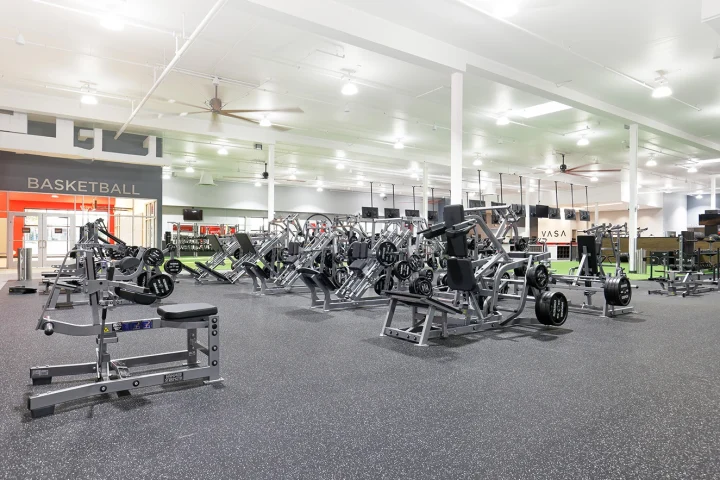
- Full cable machine setups for face pulls, rows, and pull-downs
- Plenty of pull-up bars, dumbbells, benches, and resistance bands
- Personal Trainers to guide you through posture correction and pain prevention
- Recovery tools like massage lounges and stretch areas for mobility and relaxation
Whether you’re training to fix poor posture and gain strength. We’ve got your back, literally.
Final Takeaway
Training your upper back can improve looks, but it’s about longevity and mobility.
These upper back exercises help strengthen key muscle groups and improve alignment. They also help reduce the daily wear and tear of modern life. From pull-ups and face pulls to seated cable rows and resistance band drills, there’s something here for every goal and fitness level.
A strong upper back is a powerful foundation. Build it at VASA.
Ready to improve posture and get stronger? Join VASA and unlock access to everything you need for smarter back training. Try VASA for free and feel the difference.
RECOMMENDED
SUBSCRIBE TO OUR BLOG
Enter your email to start receiving our blog emails!