




Cómo entrenar para hacer senderismo: Desarrolla fuerza y resistencia en el sendero
Resumen rápido
Para quién es esto:
- Senderistas primerizos preparándose para una gran caminata
- Entusiastas del aire libre que buscan mejorar su rendimiento en rutas de senderismo.
- Cualquier persona que esté entrenando para caminatas a gran altitud o de larga distancia como el Gran Cañón
- Miembros del gimnasio que quieran darle un propósito a sus entrenamientos de fuerza y cardio.
Conclusiones clave:
- Empieza tempranoComience su plan de entrenamiento al menos con 6 a 8 semanas de anticipación para desarrollar resistencia, fuerza en las piernas y agallas mental.
- Equilibra tu entrenamiento:Combine entrenamiento de fuerza, cardio, trabajo de equilibrio y práctica con pesas para un enfoque de cuerpo completo.
- Las piernas y el core son clave:Concéntrese en ejercicios como step-ups, sentadillas y planchas para fortalecer los principales grupos musculares utilizados al hacer senderismo.
- Simular caminatas reales:Practique con una mochila cargada, suba escaleras y camine en pendientes para imitar la ganancia de elevación y las condiciones del sendero.
- El descanso y la recuperación son importantesNo te saltes los días de trabajo de movilidad ni de descanso. Son esenciales para la prevención de lesiones y el crecimiento muscular.
- Entrena tu mente tambiénLa fortaleza mental es tan importante como la preparación física, especialmente en caminatas largas o a gran altitud.
- VASA puede ayudarDesde escaladores hasta entrenamiento personal, VASA proporciona las herramientas, el espacio y el apoyo para ayudarte a entrenar para cualquier sendero.
¿Estás planeando tu primera gran caminata? O quizás te estés preparando para afrontar un sendero desafiante como el Gran Cañón. En cualquier caso, entrenar con antelación puede marcar la diferencia. El senderismo puede parecer un simple paseo por el bosque, pero exige resistencia y fuerza, además de coraje mental. Cuanto mejor sea tu preparación física, más disfrutarás de tu aventura.
En esta guía, desglosaremos cómo entrenar para hacer senderismo, centrándonos en mejorar la fuerza de las piernas y la resistencia cardiovascular, además de brindar consejos sobre el equipo y el ritmo.
Por qué es importante entrenar para hacer senderismo
Incluso las rutas de senderismo cortas pueden incluir desniveles y descensos pronunciados. Dependiendo de la zona, también podrías encontrarte con terreno rocoso. Sin un buen plan de entrenamiento para senderismo, podrías correr el riesgo de sufrir dolor y fatiga en las rodillas. Si te enfrentas a caminatas a mayor altitud, también tendrás que prepararte para los posibles efectos del mal de altura.
Entrenar adecuadamente ayuda a:
- Desarrollar resistencia y aguante para distancias más largas
- Fortalece los músculos de las piernas, los glúteos y los músculos centrales.
- Mejorar el equilibrio en terrenos irregulares
- Reducir el riesgo de lesiones
- Haz que tu experiencia de senderismo sea más placentera
Cómo empezar a entrenar los músculos centrales para hacer senderismo
Empieza a entrenar al menos 6 a 8 semanas antes de tu excursión. Cuanto más larga sea, antes deberías empezar.
Paso 1: Elige o crea un plan de entrenamiento de senderismo
Elige un programa de entrenamiento que se adapte a tu nivel físico y a la dificultad del sendero. Un buen plan de entrenamiento para senderismo debe incluir:
- Entrenamiento de fuerza de los grupos musculares centrales (2 a 3 veces por semana)
- Entrenamiento cardiovascular (3 a 5 veces por semana)
- ejercicios de equilibrio
- Recuperación y movilidad
- Práctica de peso en la mochila (especialmente para caminatas largas o mochileros)
Plan de entrenamiento semanal de senderismo (ejemplo)
Día 1: Fuerza de la parte inferior del cuerpo + Core
Día 2: Caminata cardiovascular moderada (45–60 min)
Día 3: Descanso o Movilidad + Equilibrio
Día 4: Fuerza de la parte superior del cuerpo + Core
Día 5: Simulación de senderismo de larga distancia (1–2 horas)
Día 6: Intervalos de cardio o carrera por senderos (30–45 min)
Día 7: Día de descanso
Los mejores ejercicios de entrenamiento de fuerza para senderismo
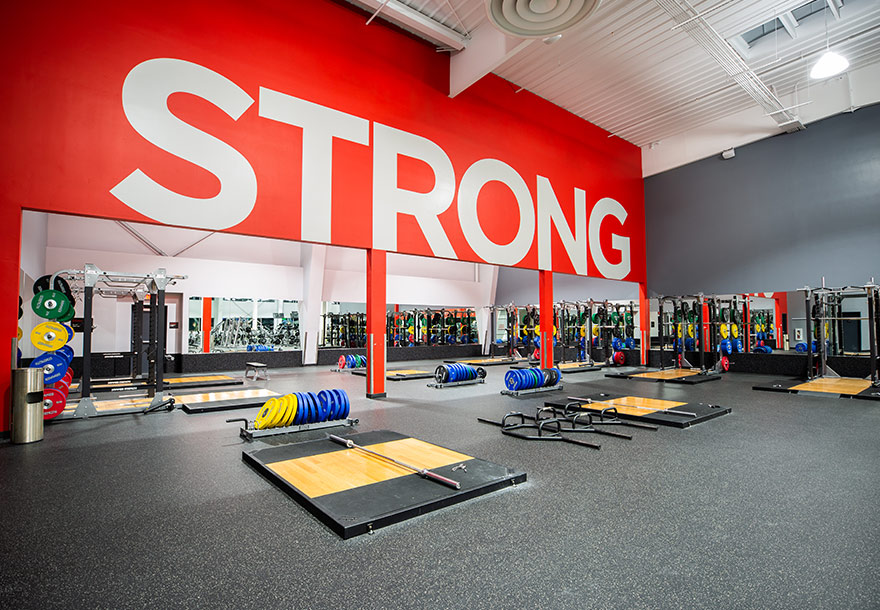
Estos ejercicios se enfocan en los músculos principales que se utilizan durante el senderismo, incluidos los glúteos, los cuádriceps, los isquiotibiales, las pantorrillas y el core.
1. Step-Ups (con o sin peso)
- Fortalece: cuádriceps, glúteos, isquiotibiales
- Párese frente a un banco o caja, dé un paso hacia arriba con un pie, presione con el talón y luego baje.
2. Estocadas caminando
- Fortalece: Glúteos, cuádriceps, pantorrillas.
- Añade peso (mancuernas o mochila) para imitar el senderismo con equipo.
3. Peso muerto
- Fortalece: Isquiotibiales, glúteos, core.
- Ideal para proteger la espalda durante movimientos cuesta arriba y cuesta abajo.
4. Sentadillas
- Fortalece: Todo el cuerpo inferior y el core.
- Combina sentadillas con peso corporal y sentadillas con copa para variar.
5. Variaciones de plancha
- Fortalece: Músculos centrales, hombros, espalda.
- Pruebe hacer planchas laterales, planchas con antebrazos y planchas con elevaciones de piernas.
Entrenamiento cardiovascular y de resistencia
El entrenamiento cardiovascular te ayuda a desarrollar resistencia para esos largos días de caminata.
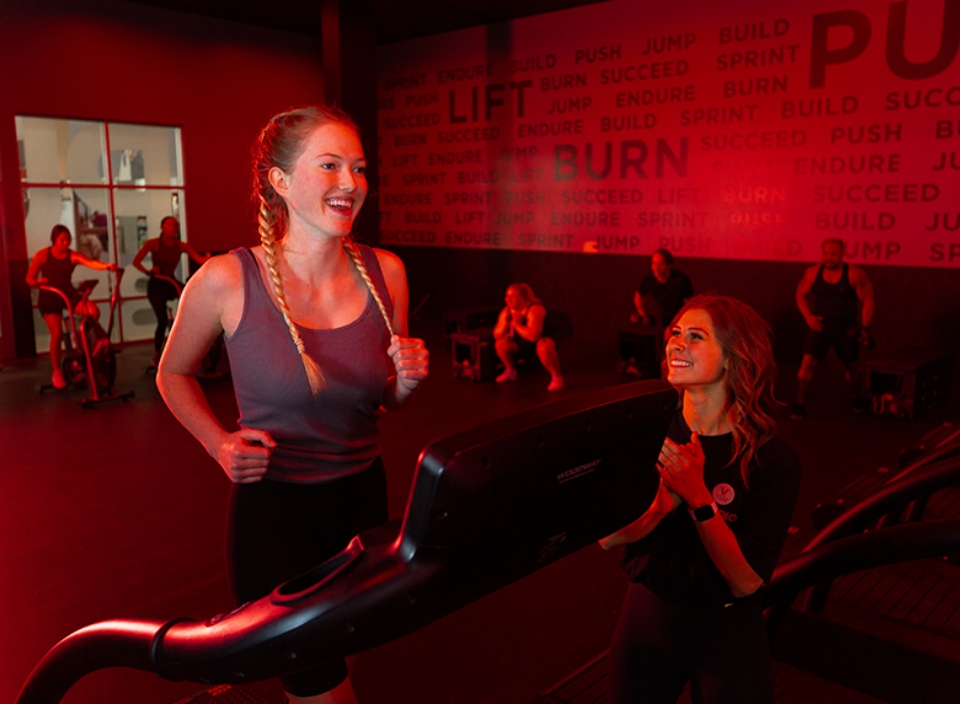
- Caminar en pendiente en una cinta de correr imita el caminar por un sendero cuesta arriba.
- Subir escaleras ayuda a ganar elevación.
- Caminar con una mochila con peso te entrena para soportar el peso de la mochila y la resistencia.
- Correr por senderos o caminar a paso ligero puede fortalecer y agilizar los pies.
Aumenta gradualmente la duración y la intensidad. Concéntrate en mantener la frecuencia cardíaca elevada durante las sesiones.
Ejercicios de equilibrio para la estabilidad en el sendero
Los terrenos irregulares requieren estabilidad en los tobillos y control del core. Estos ejercicios entrenan el cuerpo para reaccionar a los cambios en la superficie.
1. Paradas de una sola pierna
- Equilibrio sobre un pie, añadiendo movimientos como extender los brazos.
2. Elevaciones laterales de piernas
- Contrae las caderas y los glúteos manteniendo el equilibrio.
3. Caminar de talón a punta
- Practica en línea recta el control del pie.
4. Ejercicios con BOSU o Balance Pad
- Añade inestabilidad a las estocadas o sentadillas.
Entrena teniendo en cuenta el equipo y la elevación
Usa bastones de senderismo para practicar el ritmo y la participación del tren superior. Simula el peso de la mochila llenando equipo o bidones de agua. Si tu excursión implica una gran altitud, considera usar máscaras de entrenamiento de altura o hacer excursiones de fin de semana a mayor altitud, si es posible.
Consejos para el éxito
- Calentamiento antes de los entrenamientos: estiramientos dinámicos como balanceos de piernas, círculos con los brazos y sentadillas con peso corporal.
- Refrésquese después de la caminata con rodillos de espuma, estiramientos estáticos e hidratación.
- Realiza un seguimiento de tu progreso en un diario de entrenamiento.
- Los días de descanso son vitales para la recuperación y la adaptación.
- Obtenga ayuda de un entrenador personal o un entrenador atlético para obtener orientación personalizada.
Entrenando tu mente: la fortaleza mental importa
El senderismo de larga distancia es un desafío tanto mental como físico. Desarrolla tu mentalidad mediante:
- Visualización
- Practicando la paciencia en largos días de entrenamiento
- Entrenamiento en diversas condiciones climáticas y de senderos.
Alimenta tu entrenamiento
- Priorizar la hidratación antes, durante y después de las caminatas.
- Coma suficientes proteínas y carbohidratos para apoyar el entrenamiento y la recuperación.
- Planifique pausas para tomar refrigerios durante las caminatas más largas
¿Listo para emprender el camino?
No importa si estás recorriendo senderos locales o preparándote para una aventura a gran altitud como el Gran Cañón. La clave está en entrenar de forma constante. Un plan de entrenamiento de senderismo bien diseñado y adaptado a tus objetivos te dará confianza y la resistencia necesaria para disfrutar plenamente de tu tiempo al aire libre.
Y recuerda: VASA cuenta con todas las herramientas que necesitas para entrenar y alcanzar el éxito en el senderismo, desde equipos de fuerza y escaladores hasta entrenadores personales que pueden guiar tu programa. Construye tus bases entrenando en interiores para que puedas prosperar al aire libre.
Reflexiones finales
No subestimes el senderismo. Es un desafío que involucra cuerpo y mente, y que te recompensa con algo más que una mejor salud. Te encantarán las vistas y la claridad mental que proporciona pasar tiempo en la naturaleza. Entrena con inteligencia, sé constante y estarás preparado para disfrutar de cada paso del camino.


SUSCRÍBETE A NUESTRO BLOG
¡Introduce tu email para empezar a recibir nuestros emails del blog!