



Cardio de bajo impacto: una forma más segura y eficaz de mejorar la aptitud cardiovascular
Resumen rápido
Para quién es
- Principiantes que comienzan una nueva rutina de ejercicios
- Personas con dolor en las articulaciones o lesiones pasadas
- Adultos mayores que buscan opciones de ejercicio más seguras
- Personas que regresan a los entrenamientos después de un tiempo de descanso
- Cualquier persona que busque mejorar la salud cardiovascular sin mucho estrés.
Conclusiones clave
- El cardio de bajo impacto mantiene un pie en el suelo para reducir el estrés en las articulaciones.
- Eficaz para mejorar la salud del corazón, la resistencia y la quema de calorías.
- Incluye caminar, andar en bicicleta, nadar, hacer elíptica, remar y más.
- Promueve la consistencia a largo plazo debido a su bajo riesgo de lesiones.
- Excelente para la pérdida de peso, la salud mental y la aptitud cardiovascular general.
Si buscas mejorar tu salud cardiovascular sin sobrecargar tu cuerpo, especialmente tus articulaciones, el cardio de bajo impacto puede ser una de las mejores maneras de obtener resultados con comodidad y constancia. A diferencia de las rutinas de cardio de alto impacto que implican movimientos vigorosos como saltar o correr, el cardio de bajo impacto mantiene un pie en el suelo en todo momento, lo que lo hace más suave para las rodillas, las caderas, los tobillos y la espalda.
Esta guía le ayudará a comprender qué son los entrenamientos de bajo impacto, por qué son importantes, cómo realizarlos y cómo crear una rutina de ejercicios completa que favorezca tanto la salud de su corazón como sus objetivos de fitness a largo plazo.
¿Qué es el cardio de bajo impacto?
El cardio de bajo impacto se refiere al ejercicio cardiovascular que minimiza la tensión en las articulaciones y el tejido conectivo. A diferencia del cardio de alto impacto, que implica actividades como correr y saltar, el ejercicio de bajo impacto mantiene al menos un pie en el suelo en todo momento. Esto reduce el riesgo de lesiones, lo que lo convierte en una excelente opción para personas de todas las edades y niveles de condición física.
Las formas comunes de cardio de bajo impacto incluyen:
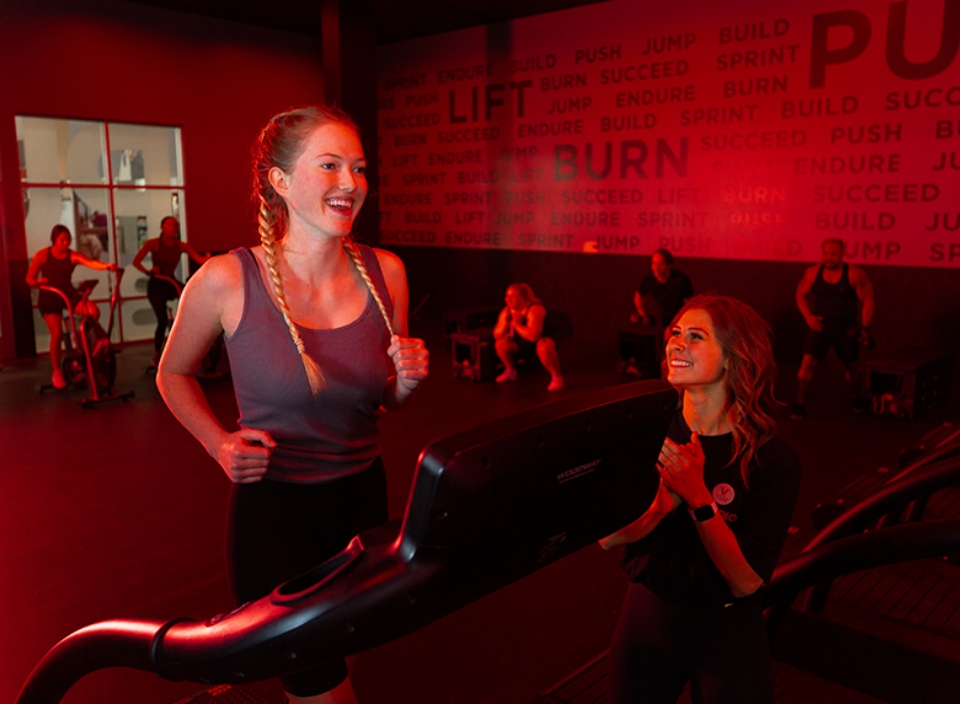
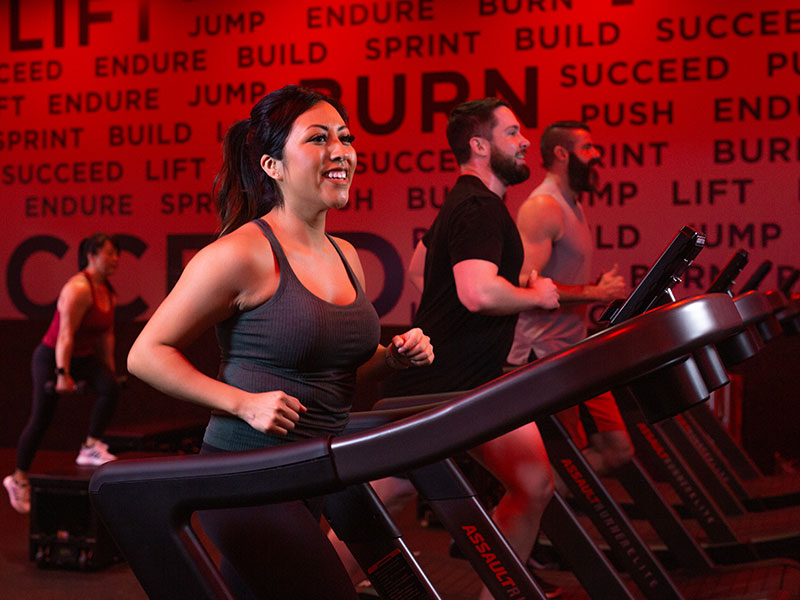
- Caminar a paso ligero
- Ciclismo
- Entrenamiento elíptico
- Remo
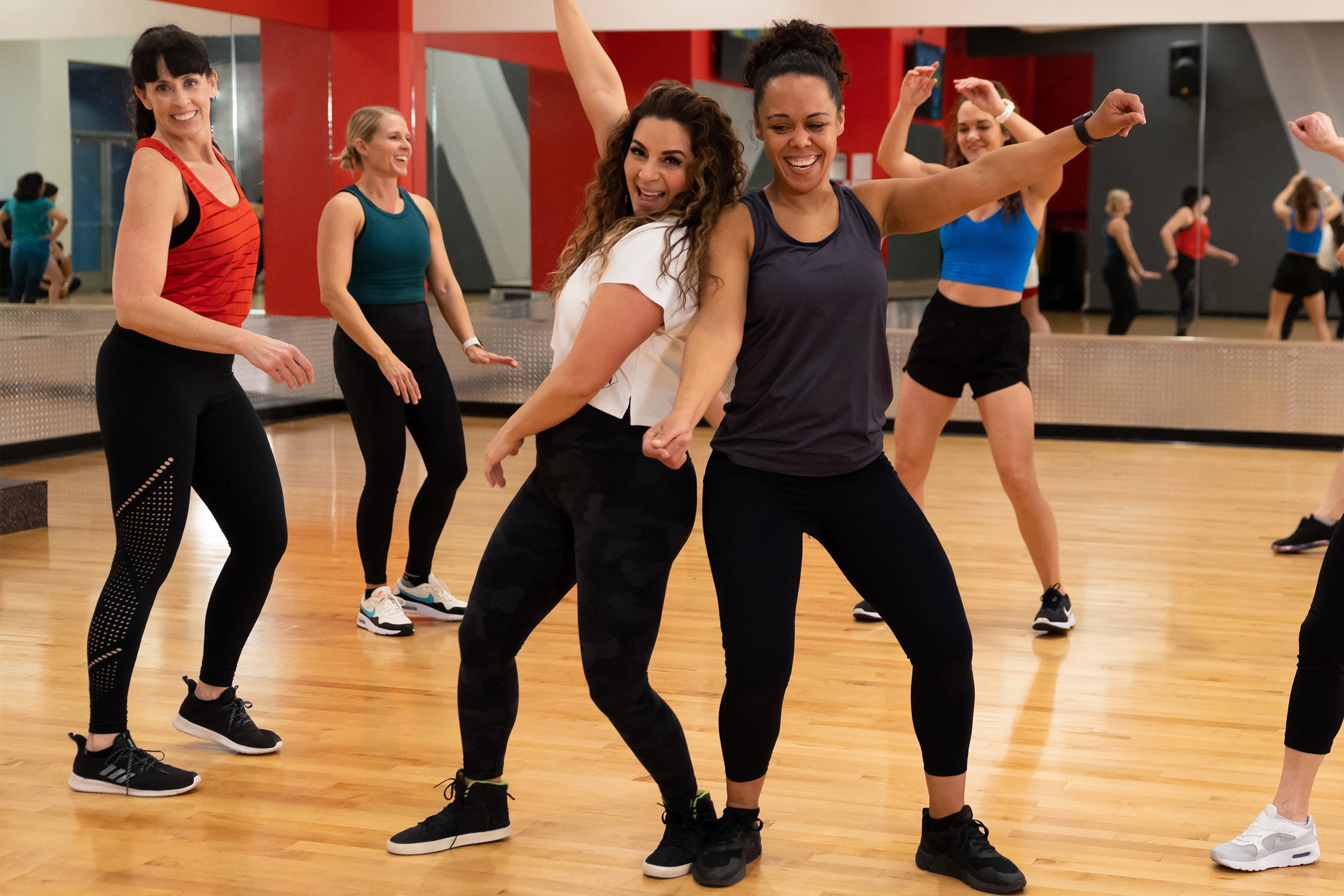
- Baile de bajo impacto
- Tai Chi
Todos estos son ejemplos de ejercicios cardiovasculares de bajo impacto que aumentan tu frecuencia cardíaca sin el esfuerzo adicional asociado con correr o saltar.
¿Por qué elegir cardio de bajo impacto?
1. Movimiento conjunto-amistoso
Muchas personas evitan el cardio por temor al dolor o las molestias articulares. El cardio de bajo impacto es especialmente suave para las rodillas, las caderas y los tobillos, lo que lo hace ideal para:
- Principiantes
- Personas con artritis o lesiones pasadas
- adultos mayores
- ¿Alguien que busca una rutina de ejercicios sostenible?
2. Mejora la salud del corazón
El cardio de bajo impacto se considera ejercicio aeróbico, lo que significa que ayuda a fortalecer el corazón y los pulmones. Con el tiempo, las sesiones regulares pueden mejorar la circulación, bajar la presión arterial y reducir el riesgo de enfermedades cardíacas.
3. Quema calorías sin estrés
Si bien los entrenamientos de alta intensidad a menudo queman más calorías por minuto, aún puedes lograr una quema de calorías significativa a través de sesiones más largas de ejercicio cardiovascular de bajo impacto, especialmente cuando se combinan con estrategias de inclinación o intervalos.
4. Apoya la consistencia a largo plazo
Uno de los mayores predictores del éxito en el fitness es la constancia. Dado que el cardio de bajo impacto es más suave para el cuerpo, es más probable que lo mantengas semana tras semana.
Cardio de bajo impacto vs. cardio de alto impacto: ¿cuál es la diferencia?
La principal diferencia entre el cardio de impacto y las opciones de bajo impacto es la cantidad de fuerza que se ejerce sobre el cuerpo:
| Cardio de bajo impacto | Cardio de alto impacto |
| Un pie siempre en el suelo | Ambos pies se levantan del suelo. |
| Fuerzas suaves sobre las articulaciones | Mayores fuerzas y estrés |
| Ideal para principiantes y problemas articulares. | Mejor para potencia explosiva y velocidad. |
| Las sesiones más largas son más fáciles | Ráfagas cortas, mayor intensidad |
Por ejemplo, caminar en una cinta a un ritmo moderado es de bajo impacto, mientras que correr a la misma velocidad es de alto impacto. Ambos ejercicios elevan la frecuencia cardíaca, pero la carga física es muy diferente.
Los mejores ejercicios cardiovasculares de bajo impacto que puedes hacer en cualquier lugar
A continuación se muestran algunos de los mejores ejercicios cardiovasculares de bajo impacto que puedes incorporar a tu rutina según tus objetivos y el equipo disponible.
1. Caminar a paso ligero
Por qué funcionaCaminar a paso rápido aumenta la frecuencia cardíaca y al mismo tiempo cuida las articulaciones.
Cómo hacerlo:
- Comience en una posición inicial con los pies separados al ancho de las caderas.
- Camine a un ritmo que le permita quedarse un poco sin aliento, pero que le permita mantener una conversación.
- Intente dedicar al menos 30 minutos por sesión.
PrimaAgregar una pequeña inclinación o caminar cuesta arriba aumenta la quema de calorías y activa los músculos de la parte inferior del cuerpo, como los glúteos y los isquiotibiales, sin impacto adicional.
2. Entrenamiento elíptico
Por qué funciona:La máquina elíptica simula caminar o correr mientras reduce el estrés en las articulaciones.
Consejos:
- Concéntrese en un ajuste de intensidad moderada.
- Mantenga el centro del cuerpo contraído para conservar la postura y la estabilidad.
- Utilice asas para incorporar la participación de la parte superior del cuerpo.
3. Ciclismo (estacionario o al aire libre)
Por qué funcionaEl ciclismo mantiene las articulaciones seguras y al mismo tiempo ofrece un entrenamiento aeróbico eficaz.
Cómo empezar:
- Ajuste el asiento de manera que las rodillas queden ligeramente dobladas en la parte inferior de cada pedalada.
- Mantenga una cadencia en la que su frecuencia cardíaca se eleve, pero la respiración permanezca controlada.
4. Máquina de remo
Por qué funcionaEl remo proporciona un entrenamiento de bajo impacto para todo el cuerpo que involucra el centro del cuerpo, las piernas y la espalda.
Consejos:
- Mantenga los movimientos suaves y controlados.
- Evite realizar sacudidas o inclinarse demasiado hacia atrás.
5. Baile de bajo impacto o aeróbicos
Por qué funcionaEstas rutinas ofrecen un movimiento divertido y rítmico que eleva el ritmo cardíaco sin saltar.
Consejo:Siga clases guiadas o videos que enfaticen el movimiento constante y las transiciones controladas entre pasos.
6. Natación o aeróbic acuático
Por qué funcionaEl agua sostiene el cuerpo, reduciendo el estrés en las articulaciones y al mismo tiempo proporcionando resistencia a los músculos.
Consejo:Vueltas a intervalos o trotes suaves en el agua para aumentar tu frecuencia cardíaca.
Cómo crear una rutina de ejercicios cardiovasculares de bajo impacto
Una rutina completa de cardio de bajo impacto debería mejorar la capacidad cardiovascular con el tiempo y ser fácil de mantener semanalmente. También es importante incluir progresión y variedad, y complementar el entrenamiento de fuerza y flexibilidad siempre que sea posible.
Paso 1: Elige tus días
Intente realizar de 3 a 5 sesiones por semana, según sus objetivos y su horario.
Paso 2: Tiempo e intensidad
Comience con 20 a 30 minutos por sesión y progrese a más de 45 minutos a medida que mejore su estado físico.
Monitorea tu frecuencia cardíaca. Debes estar en una zona que te resulte desafiante, pero sostenible.
Paso 3: Añade variedad
Alterne entre caminar, andar en bicicleta y trabajar en máquina elíptica para mantener su cuerpo adaptándose y evitar el aburrimiento.
Paso 4: Progreso a lo largo del tiempo
A medida que mejora su resistencia:
- Aumentar la duración de 5 a 10 minutos
- Añade una ligera inclinación o resistencia
- Pruebe formatos de circuitos (por ejemplo, 10 minutos de caminata + 10 minutos de bicicleta + 10 minutos de remo)
Beneficios que van más allá de la salud del corazón
Salud mental mejorada
El cardio de bajo impacto aumenta el flujo sanguíneo al cerebro, libera endorfinas y puede reducir el estrés, así como algunos síntomas de ansiedad y depresión.
Protección de las articulaciones y prevención de lesiones
Debido a que los ejercicios de bajo impacto reducen los golpes, son ideales para personas con:
- Osteoartritis
- Lesiones previas de rodilla o tobillo
- Articulaciones sensibles
Siempre consulte con un proveedor de atención médica o un fisioterapeuta antes de comenzar una nueva rutina si tiene problemas de salud.
Mejor presión arterial y salud metabólica
Los entrenamientos aeróbicos constantes ayudan a regular la presión arterial y a mejorar la sensibilidad a la insulina, que son indicadores de salud a largo plazo.
Consejos de cardio de bajo impacto para el éxito
- Centrarse en la formaMantenga los hombros relajados, el pecho elevado y el centro del cuerpo contraído.
- Escucha a tu cuerpo: Un poco de esfuerzo es bueno, pero el dolor no. Reduce la intensidad o la duración si algo te resulta incómodo.
- Calentamiento y enfriamiento:Dedica de 5 a 7 minutos a calentar (como caminar suavemente o hacer estiramientos dinámicos) y luego a enfriarte con movimientos más lentos seguidos de estiramientos suaves.
- Mantente constanteLa constancia es más importante que la intensidad para obtener resultados a largo plazo. Incluso el cardio de intensidad moderada y bajo impacto, repetido con regularidad, mejora el sistema cardiovascular.
- Seguimiento de tus entrenamientos: Ya sea tiempo, distancia o esfuerzo percibido, el seguimiento le ayuda a ver el progreso y mantenerse motivado.
El resultado final
Los entrenamientos cardiovasculares de bajo impacto son una herramienta potente y accesible para desarrollar la aptitud cardiovascular, mejorar la salud cardíaca, apoyar el control de peso y mantenerse activo con un riesgo mínimo de lesiones. Desde caminar a paso ligero hasta andar en bicicleta y nadar, hay una opción de bajo impacto para todos, sin importar si estás empezando tu trayectoria de fitness o si buscas mejorar tu rutina actual.
Al establecer una rutina de entrenamiento constante y aumentar gradualmente la intensidad y la duración, obtendrás mejoras apreciables en resistencia y bienestar general. Asegúrate de escuchar a tu cuerpo para progresar con el tiempo y prevenir lesiones.
Abrace la variedad de ejercicios cardiovasculares de bajo impacto: deje que sean la base de un plan de acondicionamiento físico que pueda mantener durante toda la vida.
Preguntas frecuentes sobre cardio de bajo impacto
¿Es suficiente el cardio de bajo impacto para perder peso?
Sí, si se combina con un plan de nutrición adecuado y un esfuerzo constante. La clave está en la duración y la frecuencia: más minutos a un ritmo moderado equivalen a una mayor quema de calorías con el tiempo, en comparación con entrenamientos esporádicos.
¿Pueden los principiantes comenzar con cardio de bajo impacto?
Por supuesto. Es una de las maneras más fáciles para principiantes de ganar confianza y mejorar tu estado físico sin sobrecargar las articulaciones.
¿Cuánto tiempo pasará hasta que vea resultados?
Muchas personas notan un aumento de energía y una mejor respiración en una o dos semanas. Cambios más medibles, como una mejor resistencia y mejores marcadores cardiovasculares, suelen aparecer después de 4 a 6 semanas de ejercicio regular.

SUSCRÍBETE A NUESTRO BLOG
¡Introduce tu email para empezar a recibir nuestros emails del blog!